
CoolSculpting and Fat Freezing Explained
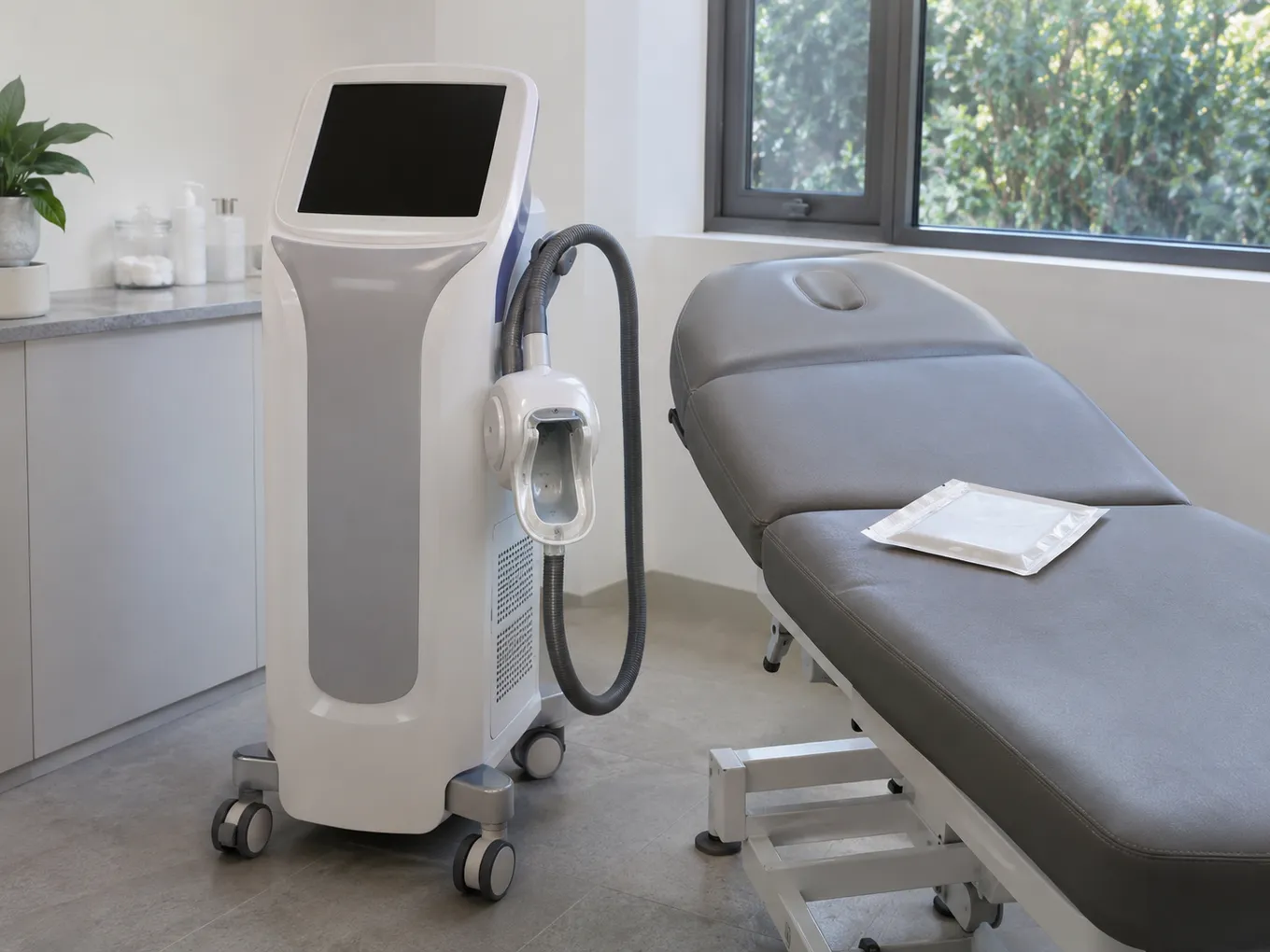
This guide covers CoolSculpting and the wider method called cryolipolysis. Cleveland Clinic says cryolipolysis, commonly referred to as fat freezing, is a nonsurgical fat reduction procedure that uses cold temperature to reduce fat deposits in certain areas of the body.
What most readers expect, and where it bends
Most readers expect a simple trade: a nonsurgical treatment, no downtime to plan around and a visible change in one area. The published picture is more layered. Cleveland Clinic explains the basics on its page about fat freezing and gives side effects and risks their own page, CoolSculpting side effects and risks.
The standard advice does not always cover the reader whose situation is more tangled. Someone who is also on a GLP-1 drug, planning surgery or weighing a rare risk against a small area of fat is in that group. For those cases the published guidance runs out, and the clinician who holds your history has to decide.
Three guides, sorted by the constraint they untangle
Safety questions belong with paradoxical adipose hyperplasia, the rare CoolSculpting risk, which looks at what a rare outcome means when you are deciding whether to start.
Planning questions belong with CoolSculpting treatment areas and session plans, which covers where the treatment is cleared for use and what to ask about session plans.
Device questions belong with what the FDA says about body contouring devices. Cleveland Clinic also publishes a broader page on body contouring, its benefits, risks and recovery, for readers comparing options beyond fat freezing.
Which guide to open first
If the risk is what worries you, begin with the paradoxical adipose hyperplasia guide. If the question is where and how many sessions, begin with treatment areas. If you are also managing a medication, our guide to GLP-1 medical weight loss shows how the two plans can interact with your schedule.